


How to Create a Warm Minimalist Home for Summer
The essence of warm minimalism in summer
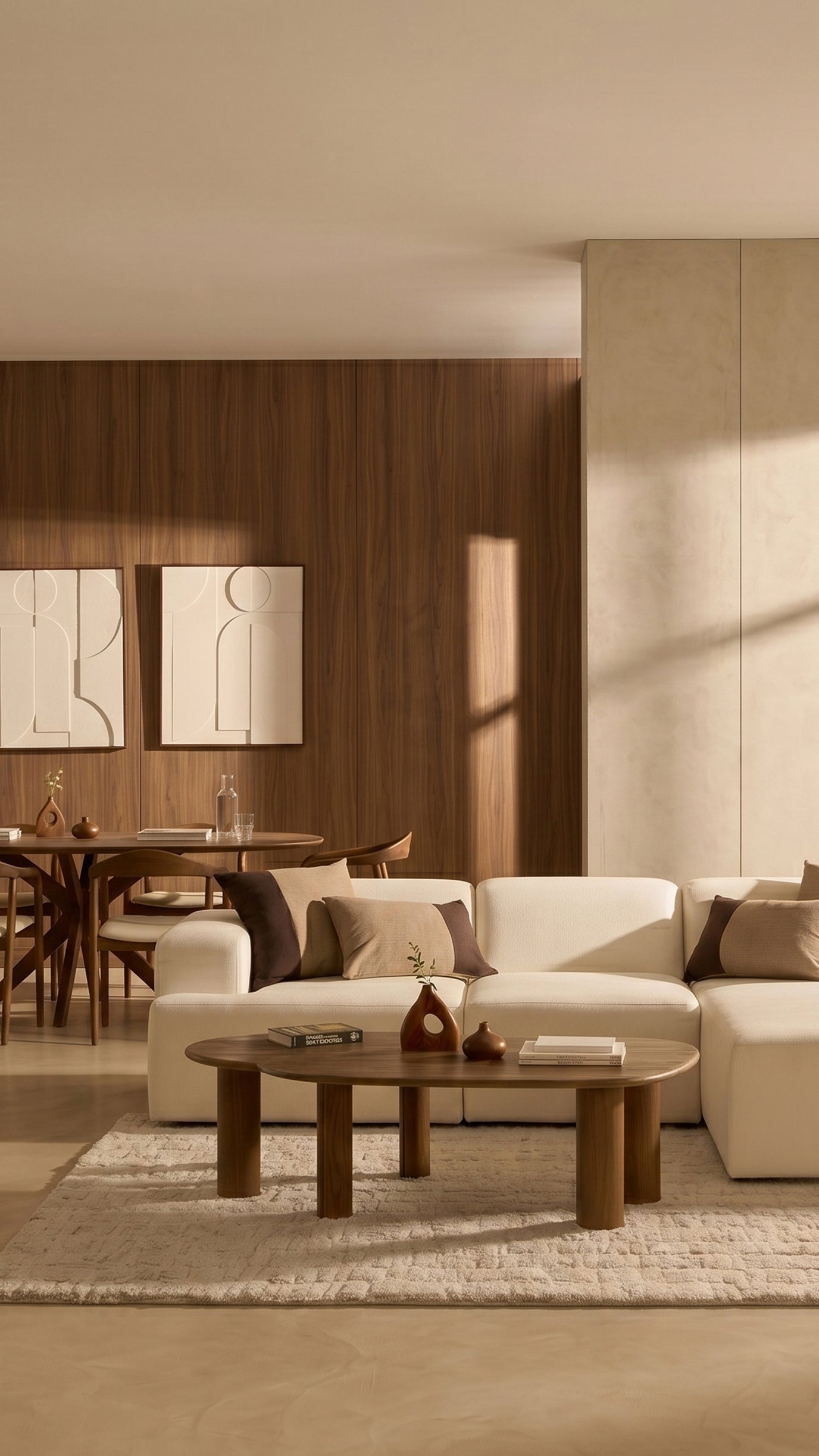
Summer naturally invites simplifying spaces, but warm minimalism goes beyond a refined aesthetic. It’s not about eliminating for the sake of eliminating, but about building interiors where every element has a clear purpose and contributes to a feeling of calm, freshness, and balance. At this time of year, the home becomes a bright refuge, where natural light, honest materials, and the absence of visual excess create a lighter, more breathable atmosphere. The key is to find a middle ground between the sobriety of pure minimalism and the warmth of the organic, achieving spaces that are neither cold nor empty but serene and livable.
This approach also responds to a more conscious way of living, where the home stops being a cluttered stage and becomes an environment that accompanies the slower pace of summer. Clear spaces, smooth transitions between rooms, and a restrained color palette allow architecture and materials to take center stage. Thus, design does not compete with daily life but frames and softens it.


Natural materials and soft palettes as the foundation of the space
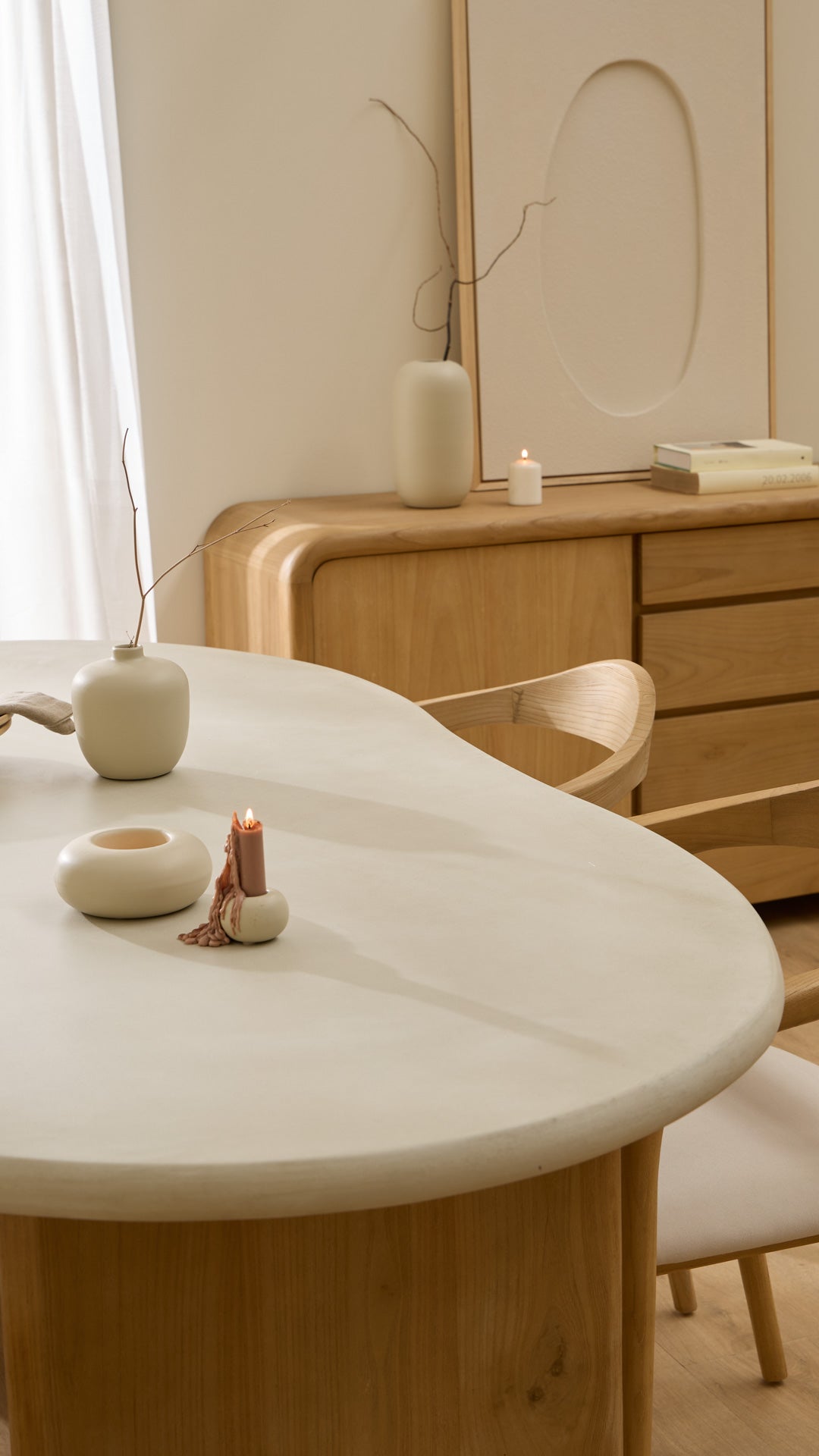
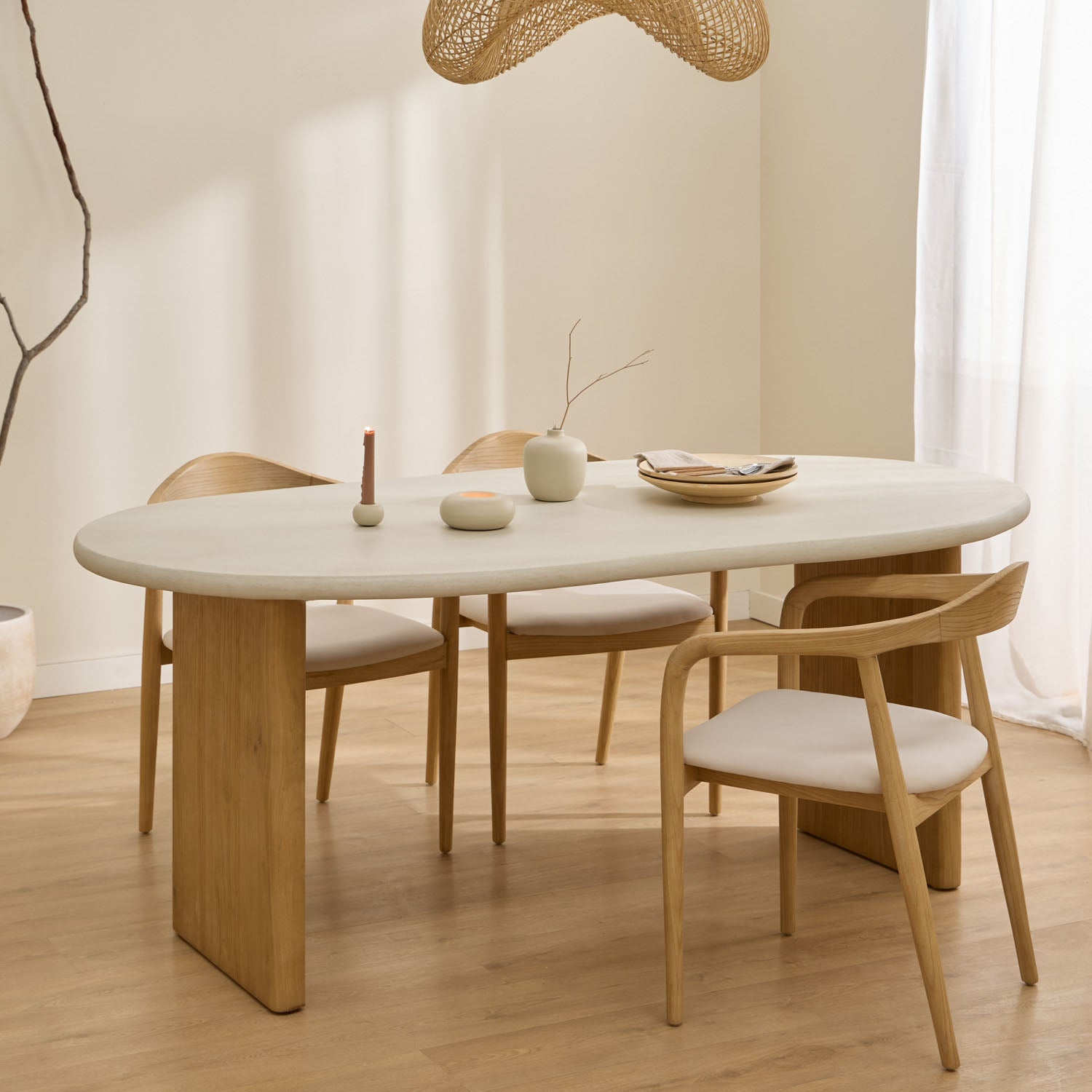
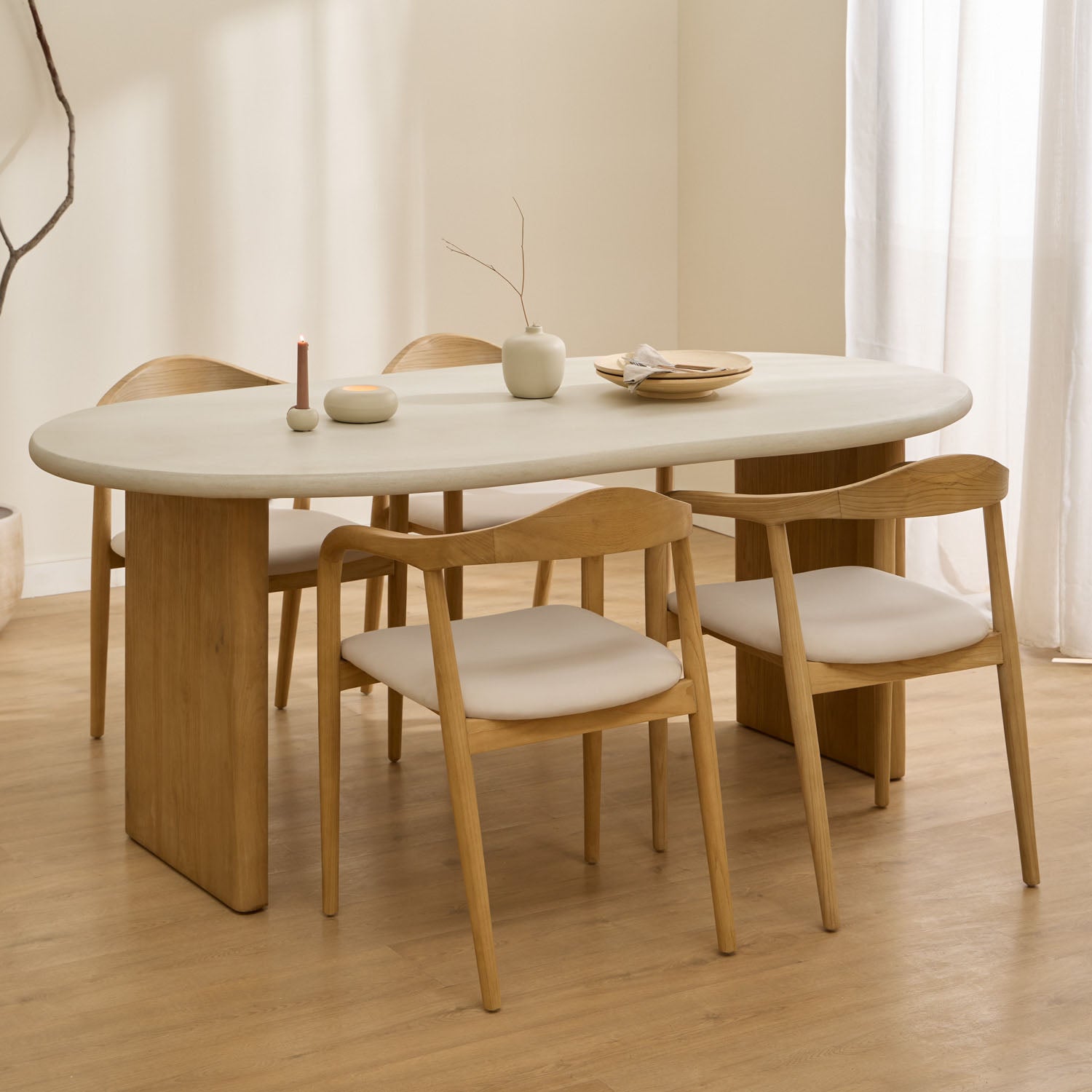
The choice of materials is one of the fundamental pillars for building a warm minimalist home during the summer. Microcement, for example, has established itself as a key material due to its visual continuity, absence of joints, and ability to softly reflect light. Its matte, mineral finish brings freshness but also a neutral base that allows other materials to be integrated without creating visual noise.
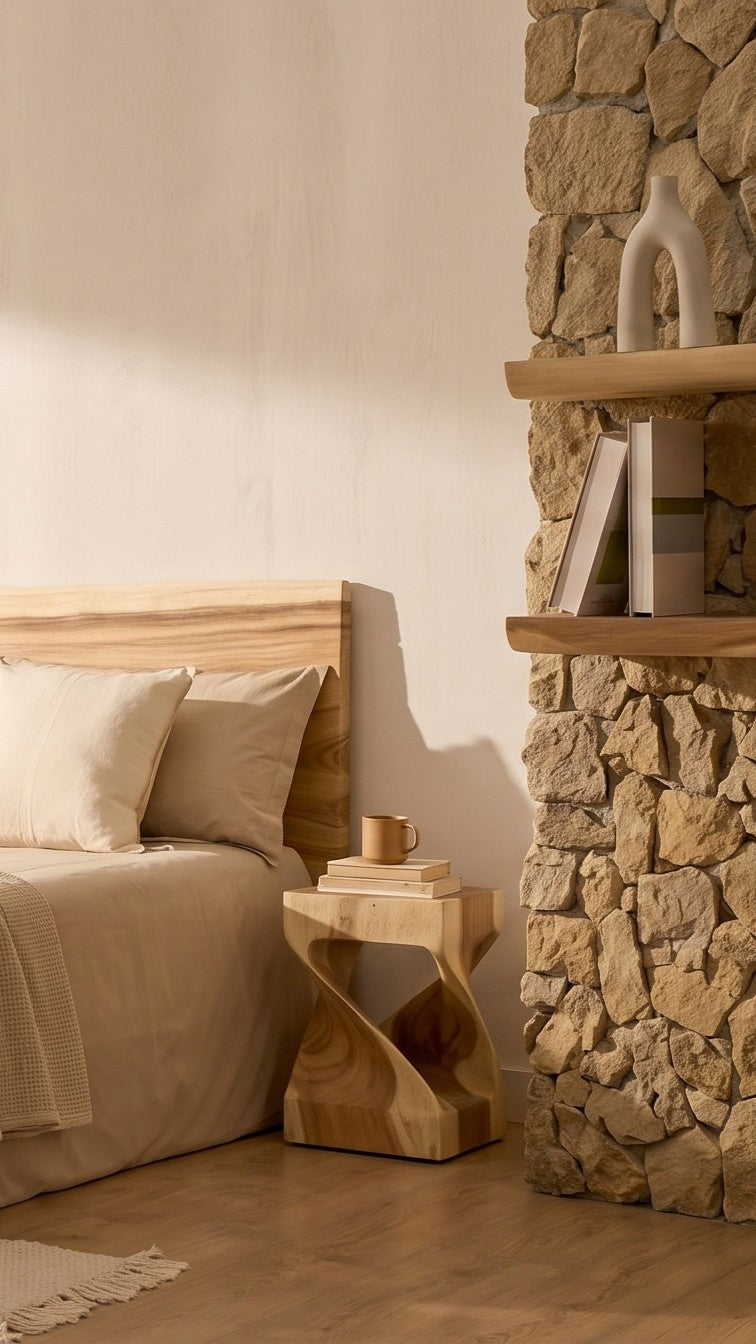
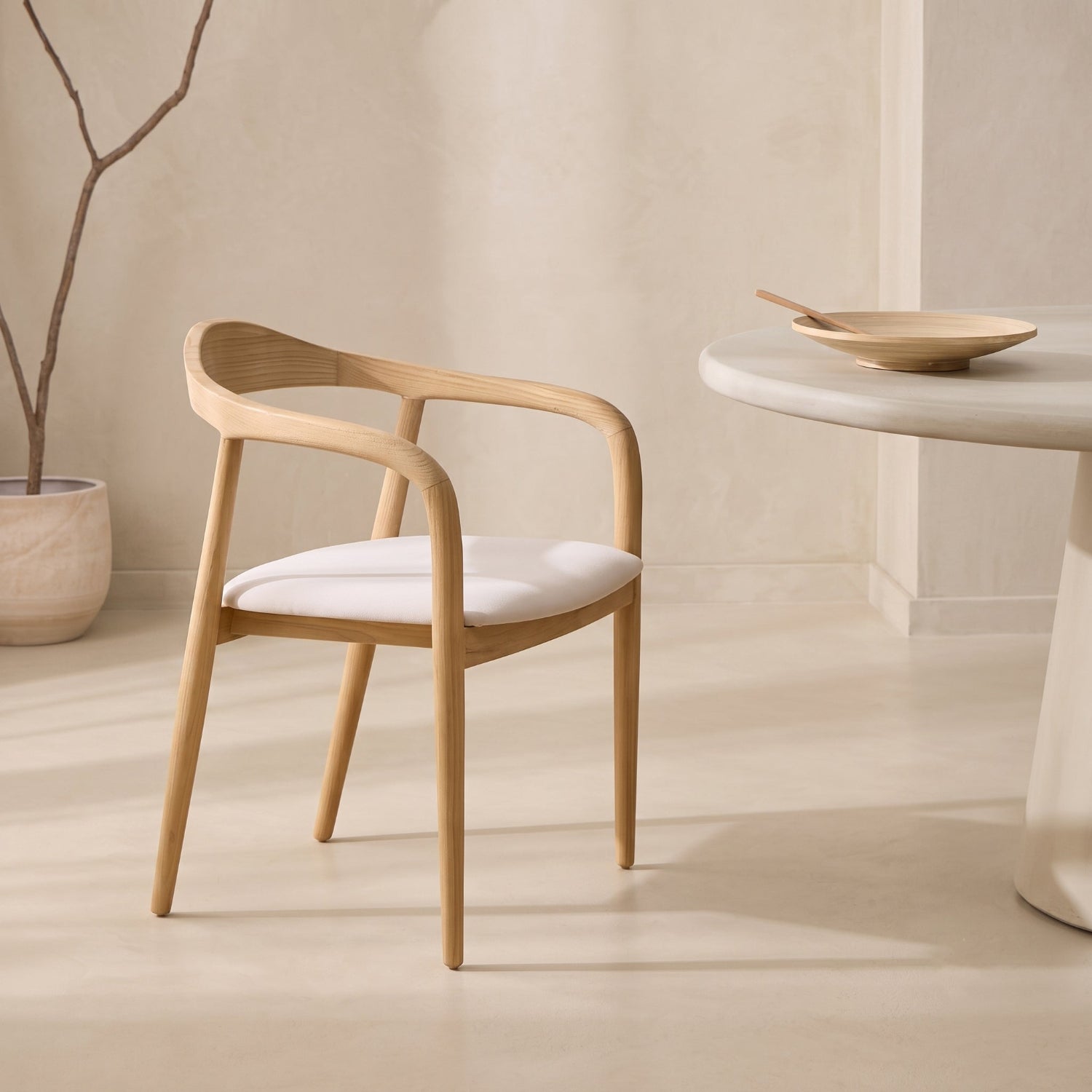
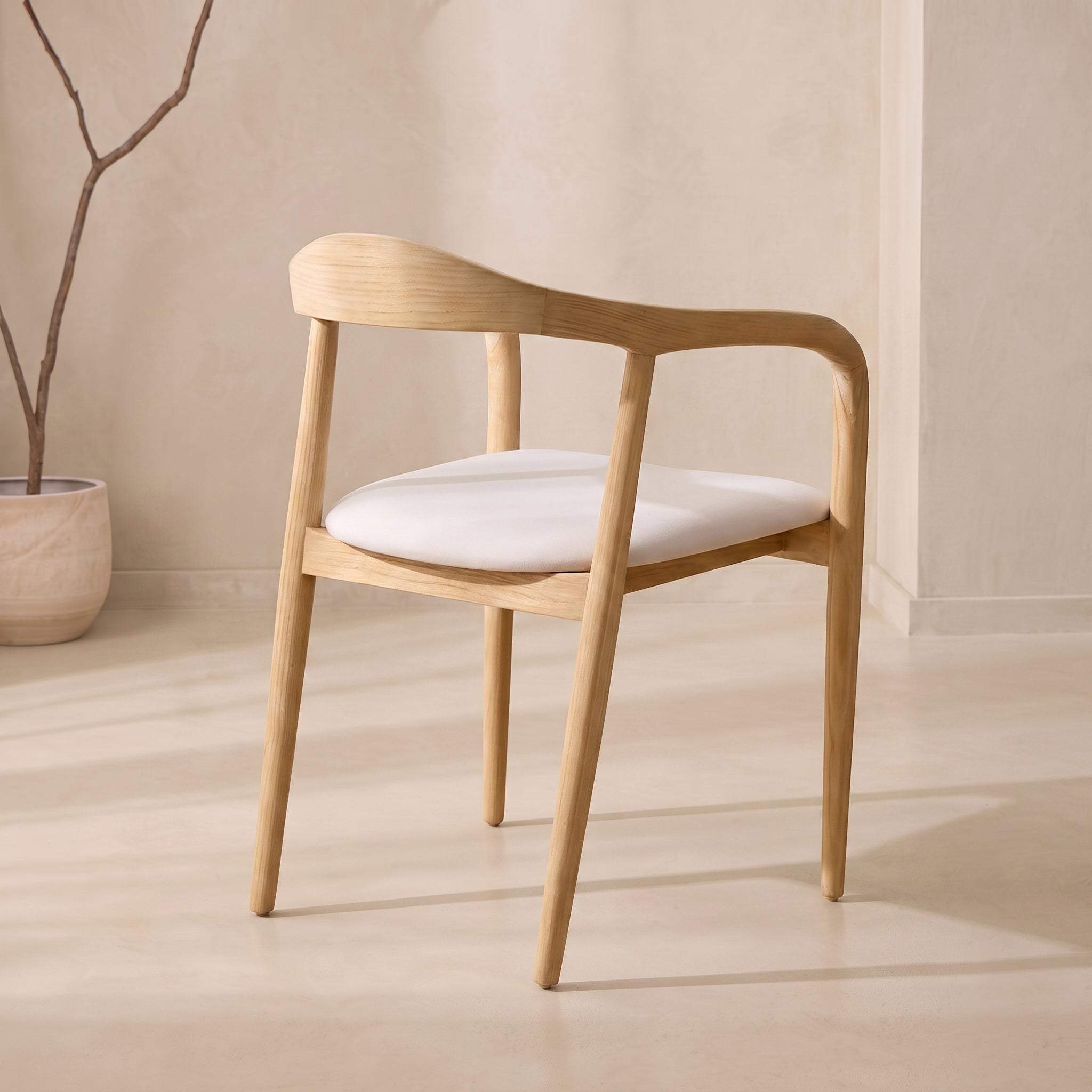
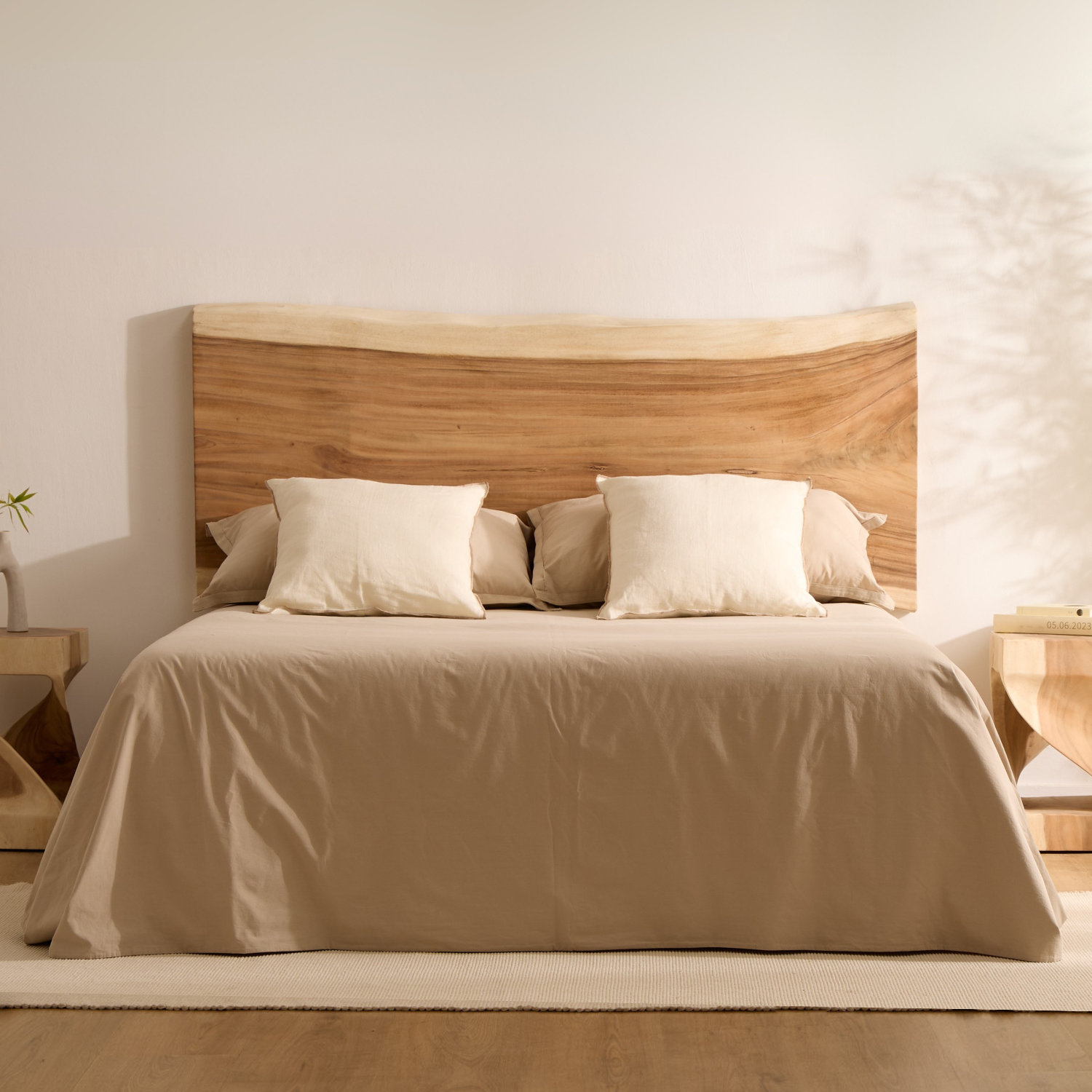
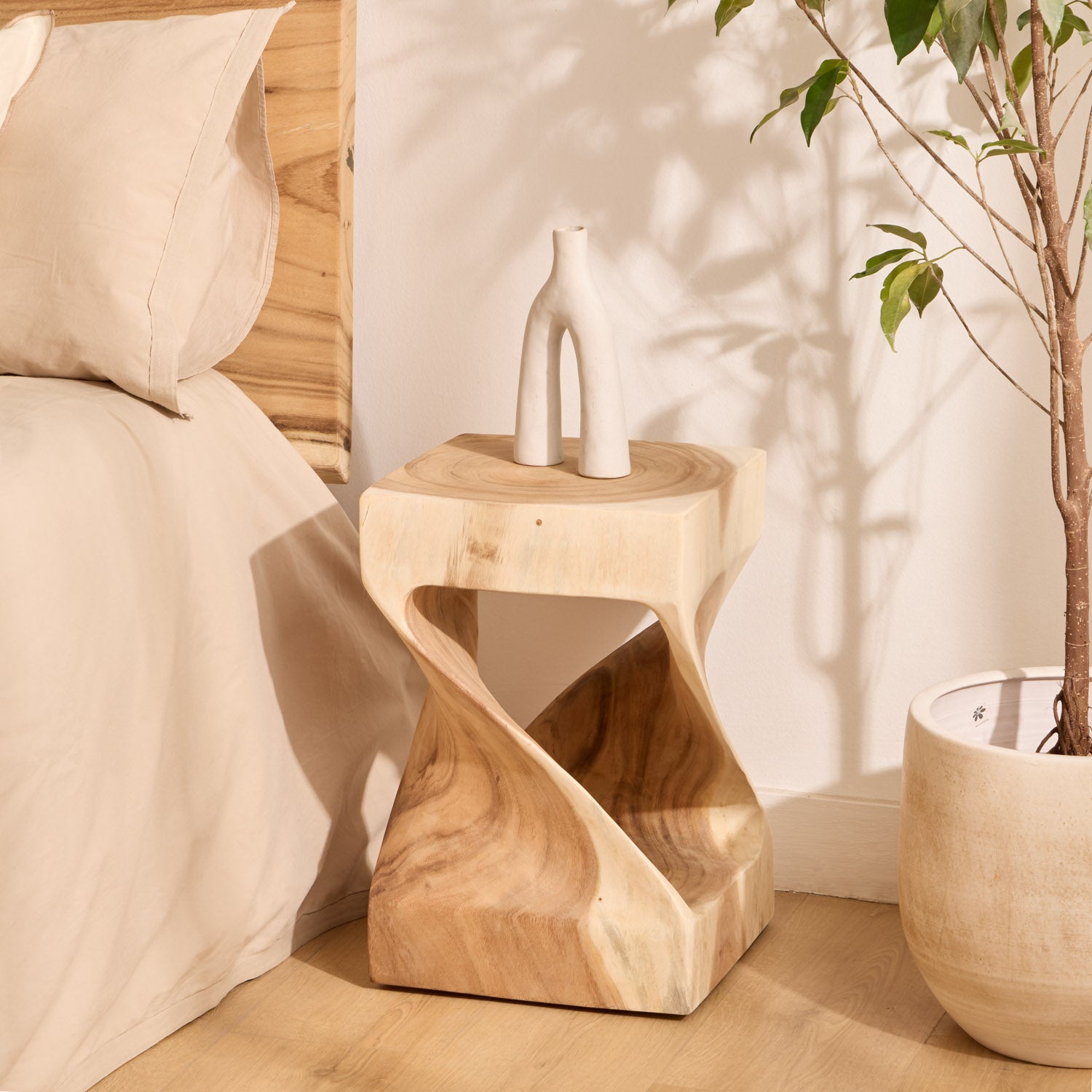
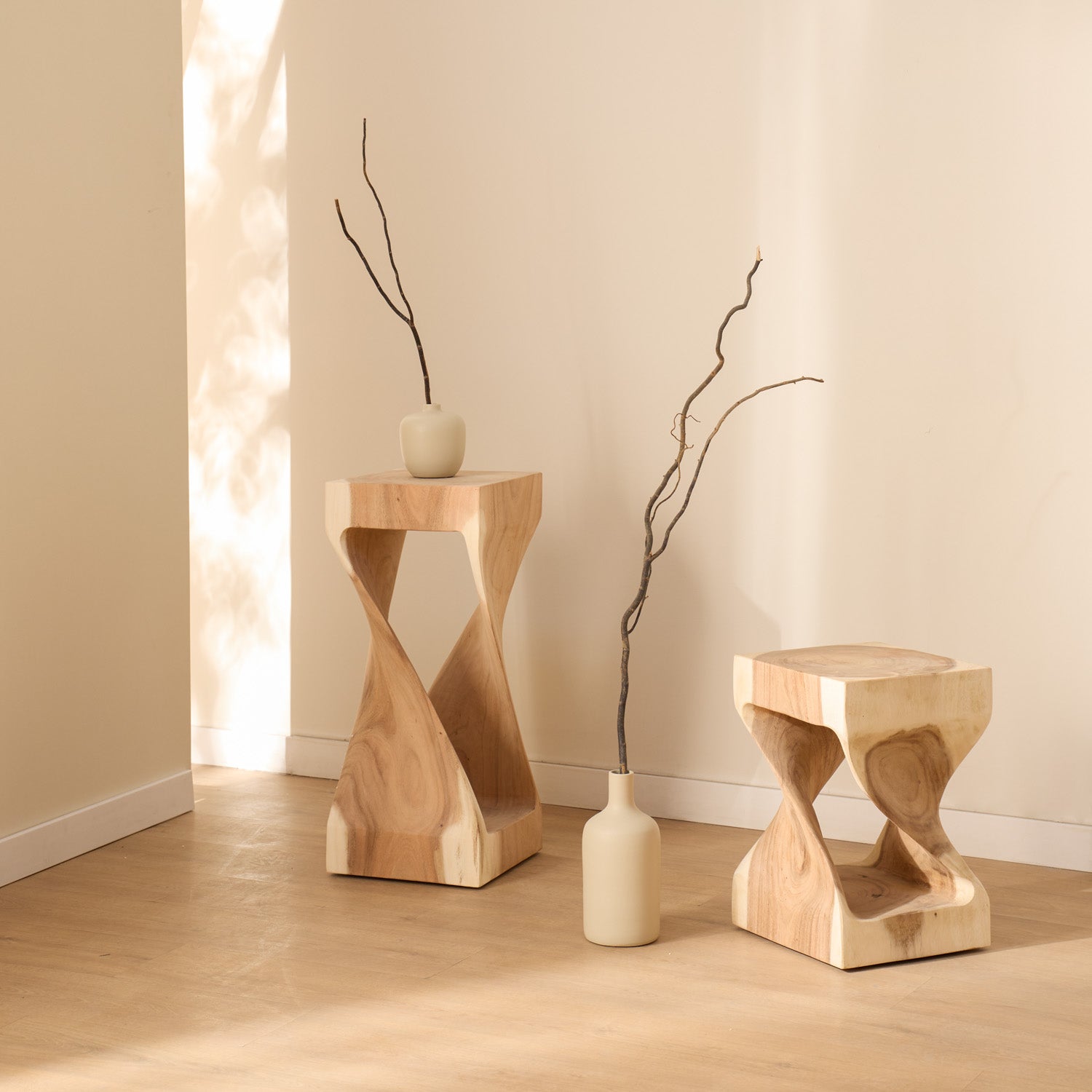
Solid wood introduces the necessary warm counterpoint to balance this more mineral base. Sungkai wood, with its light tones and subtle presence, brings brightness without overwhelming the space, working especially well in interiors where the goal is to maintain a sense of spaciousness and visual freshness. Its smooth grain and uniform color help create serene environments, where the wood does not compete with other materials but accompanies them discreetly yet consistently. In this sense, Sungkai acts as a bridge between refined architecture and natural warmth, adding visual texture without breaking the overall coherence.
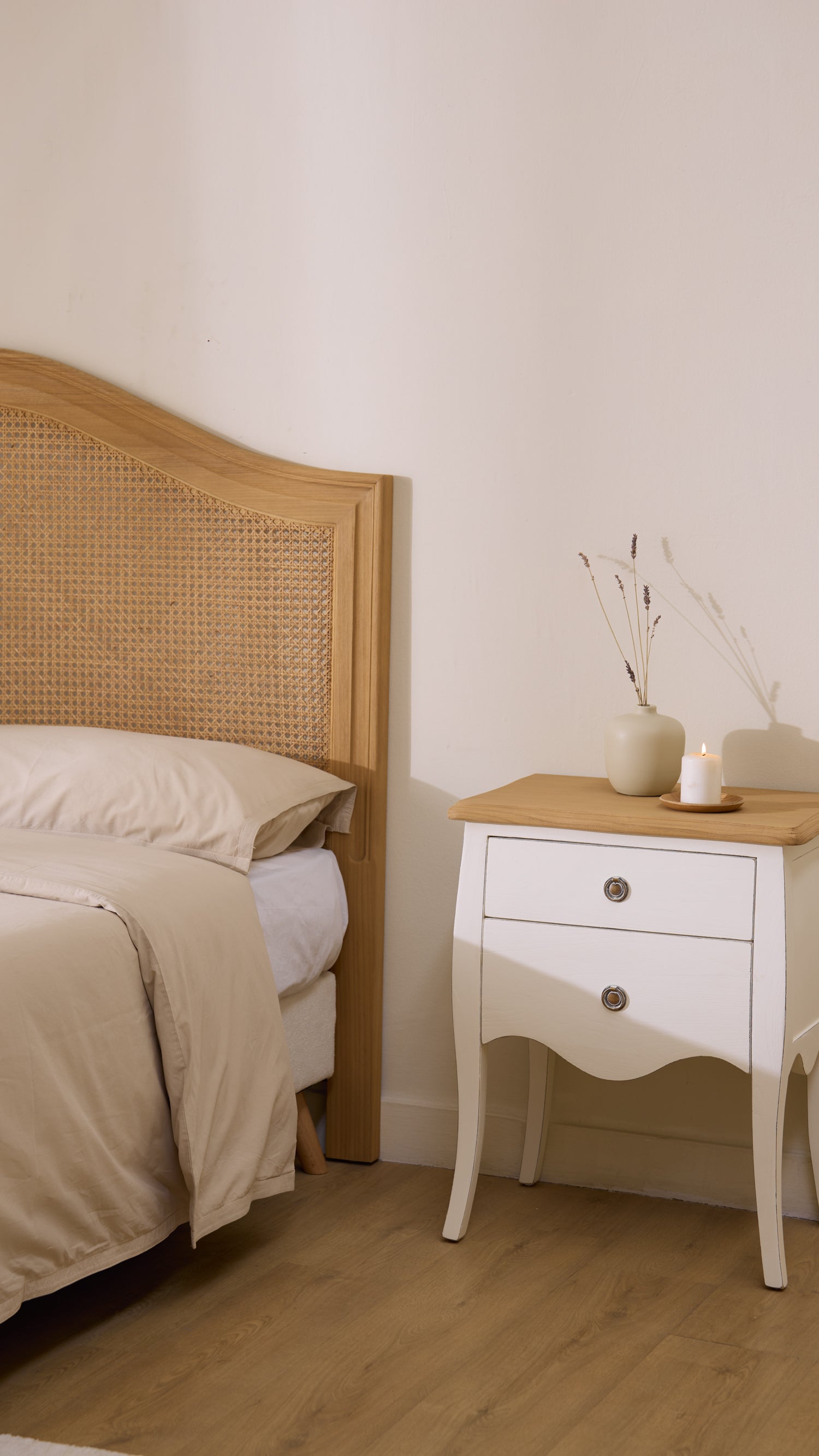
Rattan completes this family of natural materials with a lighter, more artisanal presence. Its weaving introduces rhythm and texture without overloading, working especially well in furniture such as chairs, headboards, or lamps. Together, these materials rely on a neutral color palette that includes warm whites, sands, soft earth tones, and dusty grays, all designed to enhance summer light and create visual continuity between spaces.


The importance of emptiness, light, and light textures
In warm minimalist interior design, emptiness is not absence but an essential compositional element. Leaving spaces unsaturated allows the eye to rest and the materials to breathe, generating a natural sense of order that is especially valuable in summer. This approach involves a conscious selection of objects, where each piece of furniture must justify its presence both functionally and aesthetically.
Natural light plays a decisive role in this spatial experience. During summer, its intensity and duration completely transform the perception of the interior, so it is essential to allow its entry without obstacles. Light linen curtains, translucent blinds, or simply the absence of heavy elements on windows help light flow freely, casting soft shadows that change throughout the day and add dynamism without the need for additional decoration.
Light textures reinforce this feeling of freshness. Materials like washed linen, organic cotton, or natural fibers introduce a tactile dimension that softens the rigidity of more solid surfaces such as microcement or wood. This combination of soft and structural creates a visual balance that avoids monotony and adds sensory richness without breaking the coherence of the whole.


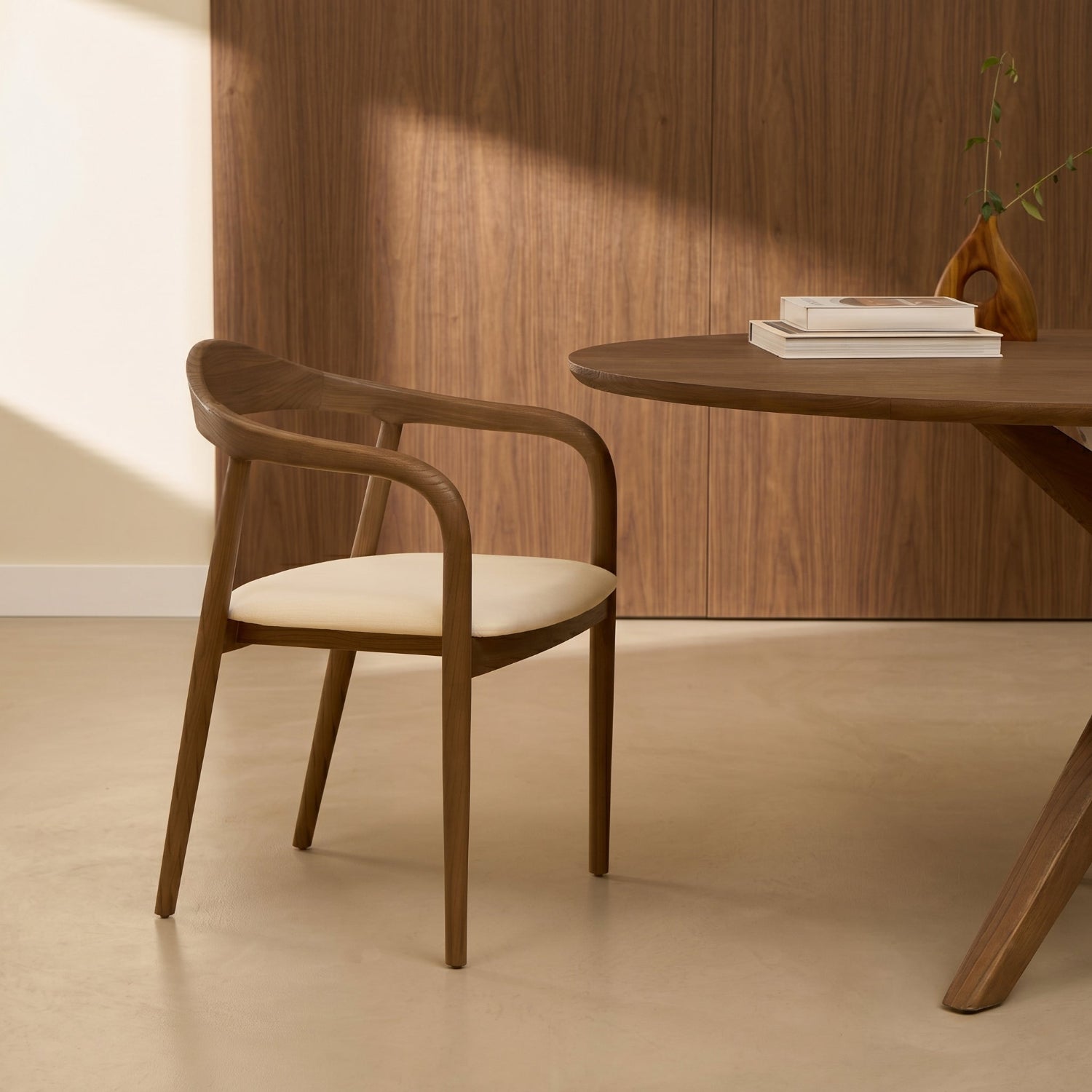
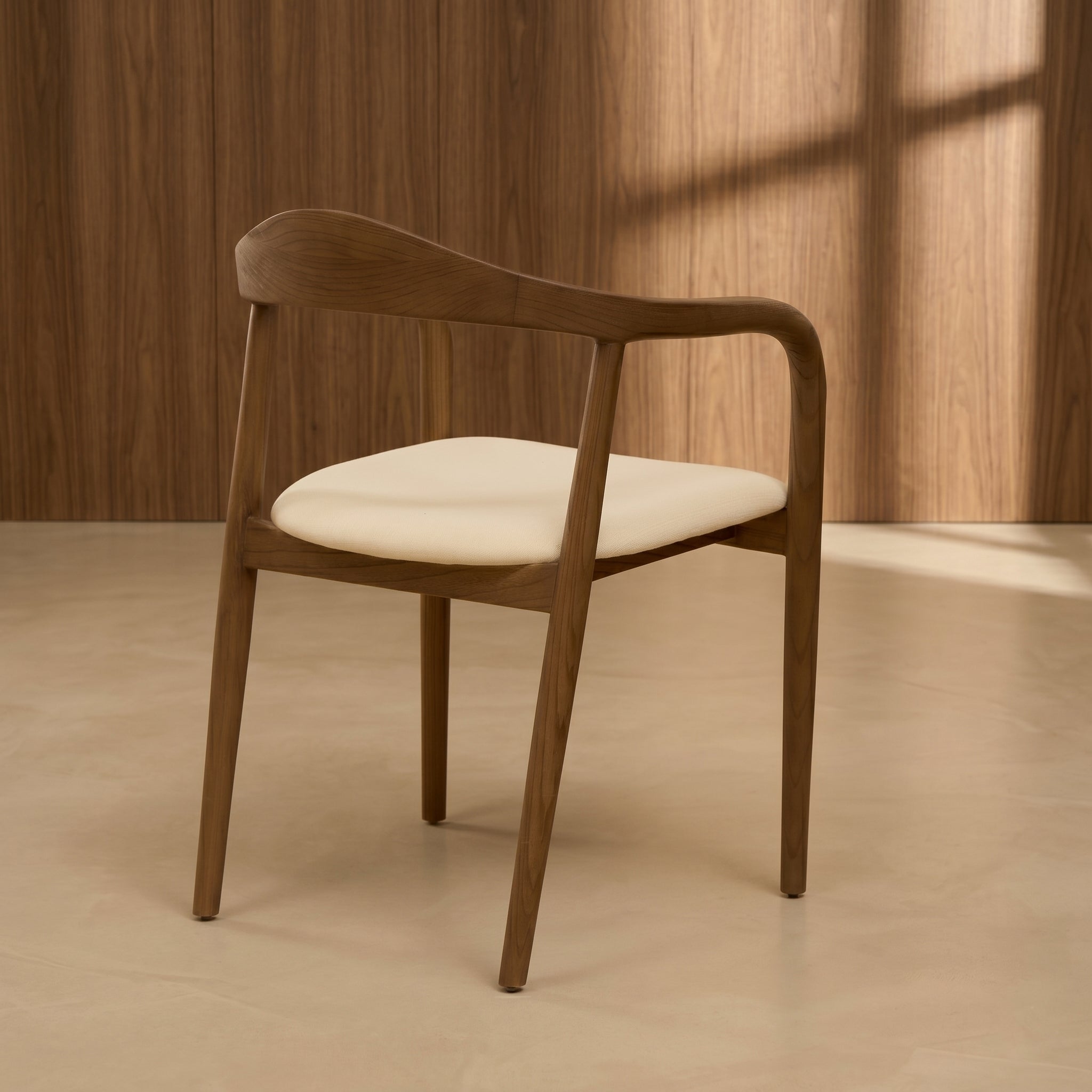
Luma dining table y chairs Japan
Layout and order: the luxury of summer simplicity
Summer also invites reconsidering the interior space layout. The feeling of spaciousness becomes especially important, not only for aesthetic reasons but also for thermal and emotional comfort. A warm minimalist home relies on open or semi-open layouts, where circulation is fluid and there are no unnecessary visual barriers. This allows light to pass through the space more freely and for rooms to be perceived as part of a coherent whole.
Order, in this context, is not rigidity but visual clarity. Keeping surfaces clear and reducing the presence of unnecessary decorative objects helps create a more relaxed atmosphere. Integrated storage becomes especially important, as it allows hiding what does not need to be visible, maintaining aesthetic purity without giving up daily functionality.
In addition to opting for a balanced layout, choosing functional furniture helps maintain that sense of order without sacrificing comfort. Folding chairs are an especially practical solution, as they allow the space to be adapted to each moment. During the day they can be easily stored when not in use, leaving rooms clearer and facilitating circulation. When guests arrive or summer meals and dinners are organized, they unfold in seconds, offering a comfortable solution without the need for permanent furniture that takes up visual space.
This type of furniture fits perfectly with the philosophy of warm minimalism, where each element serves a purpose and adds value to the whole. Ultimately, a well-organized home does not depend solely on the number of objects it contains, but on the ability to adapt to everyday needs in a simple, practical, and visually balanced way.